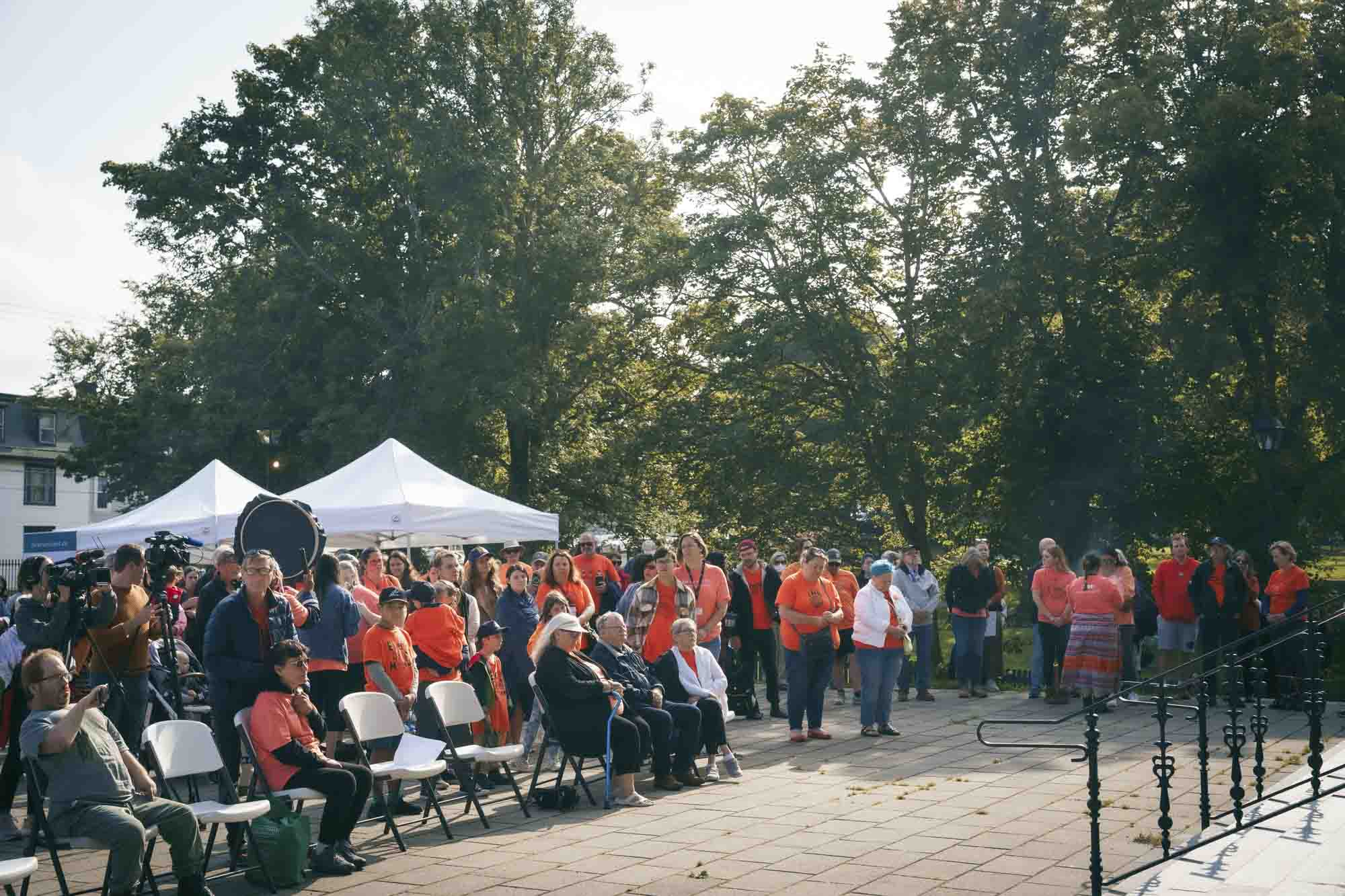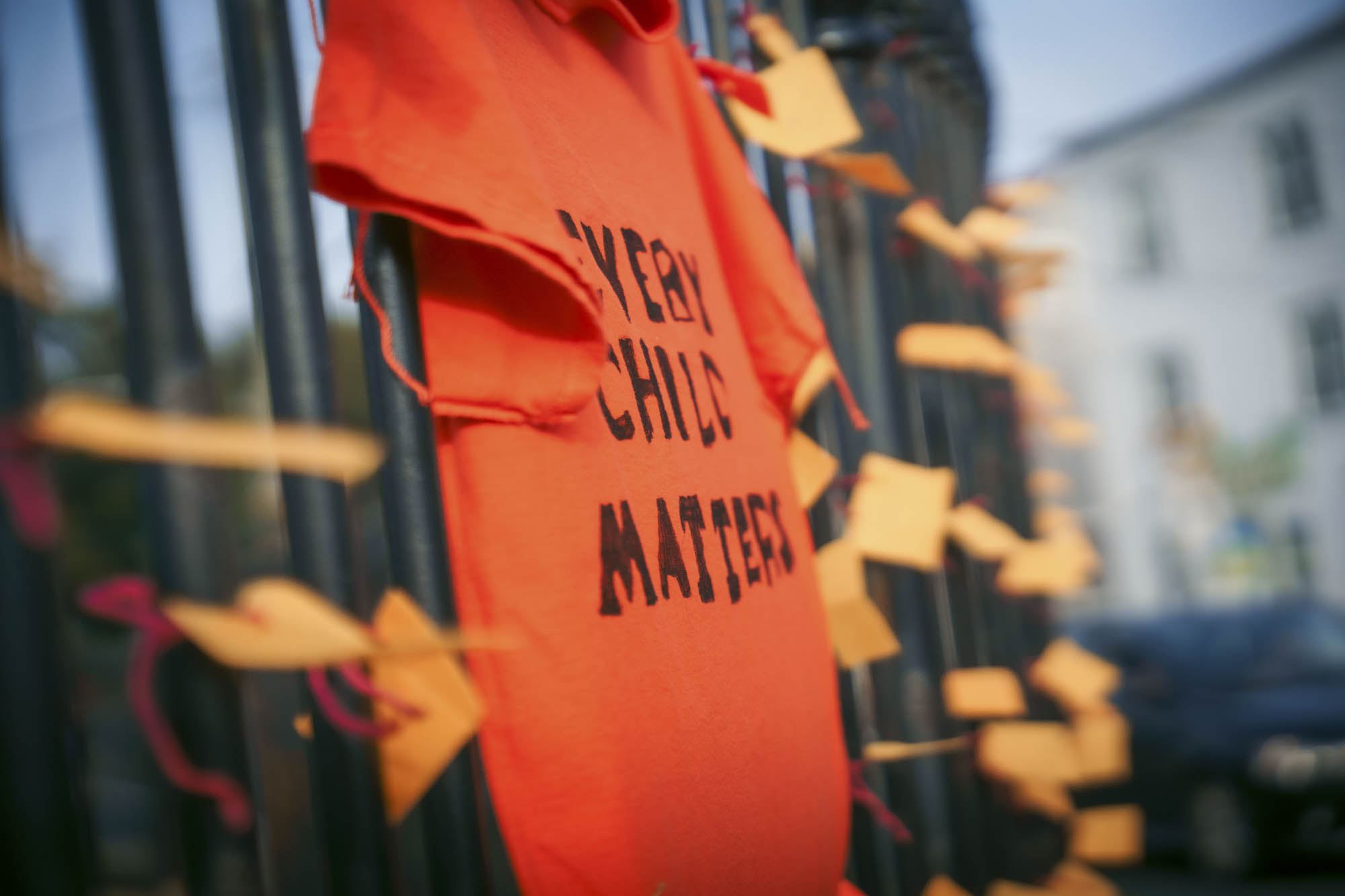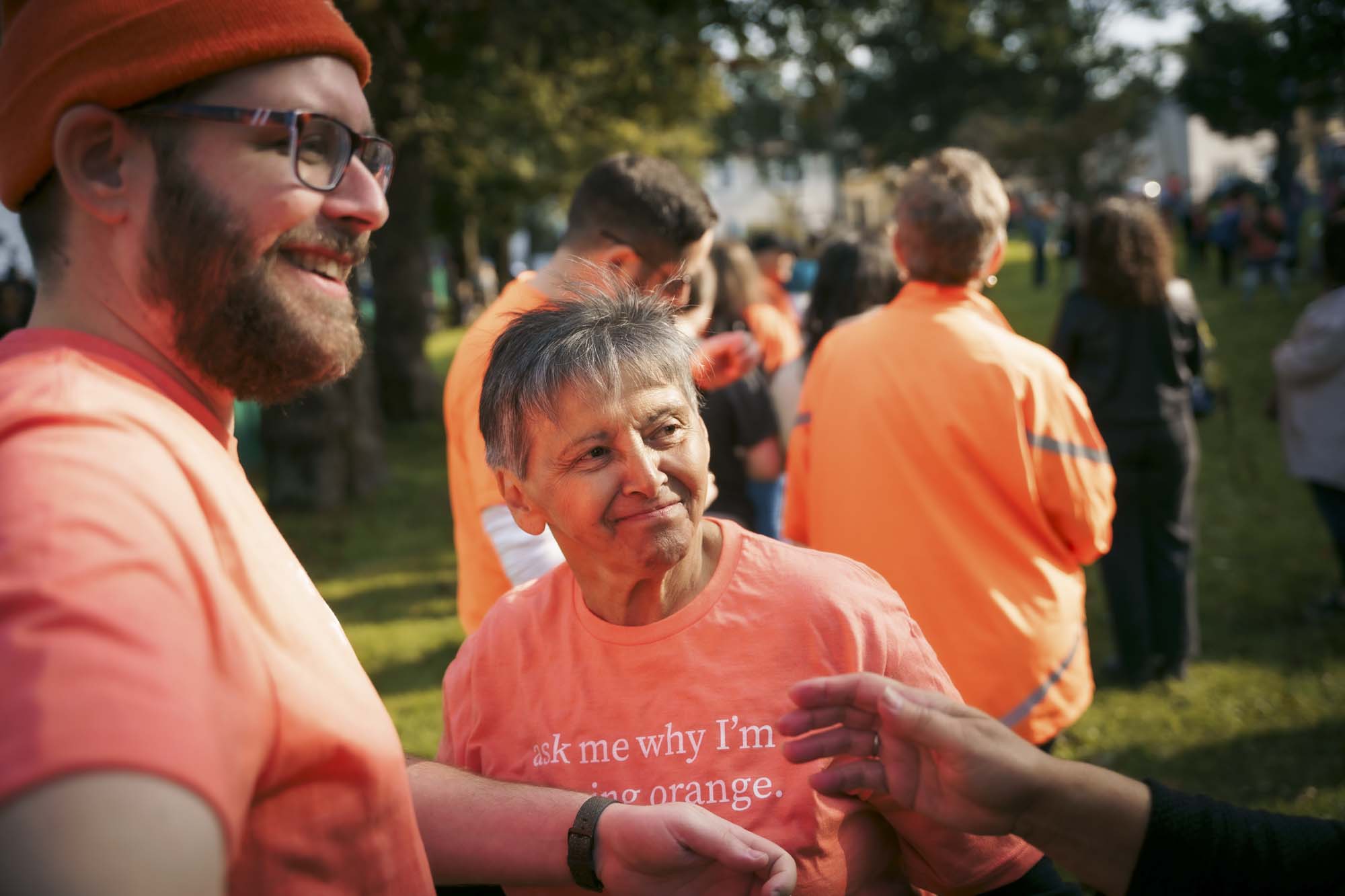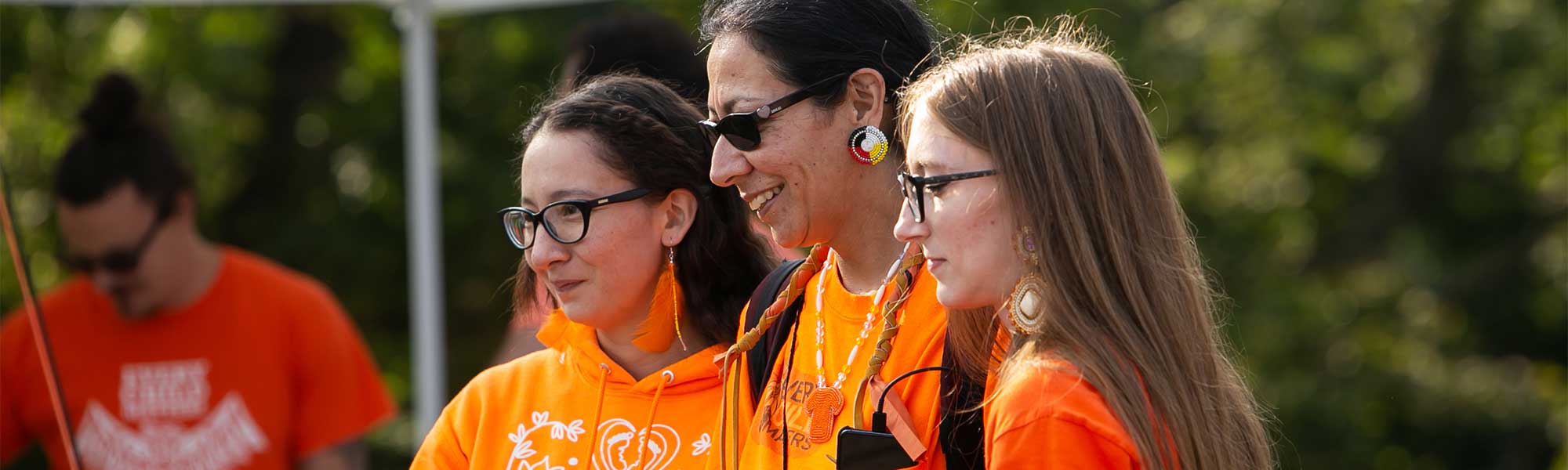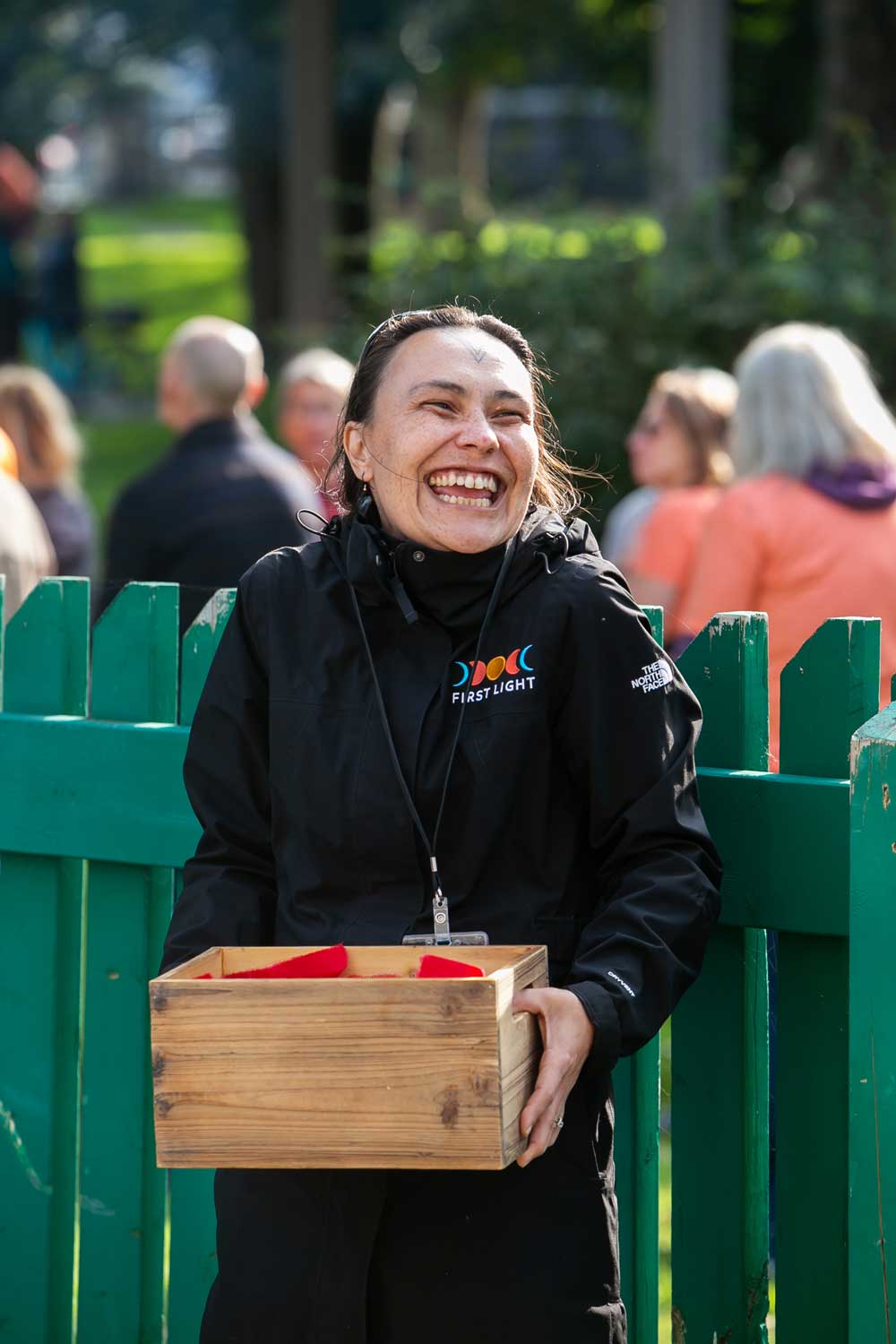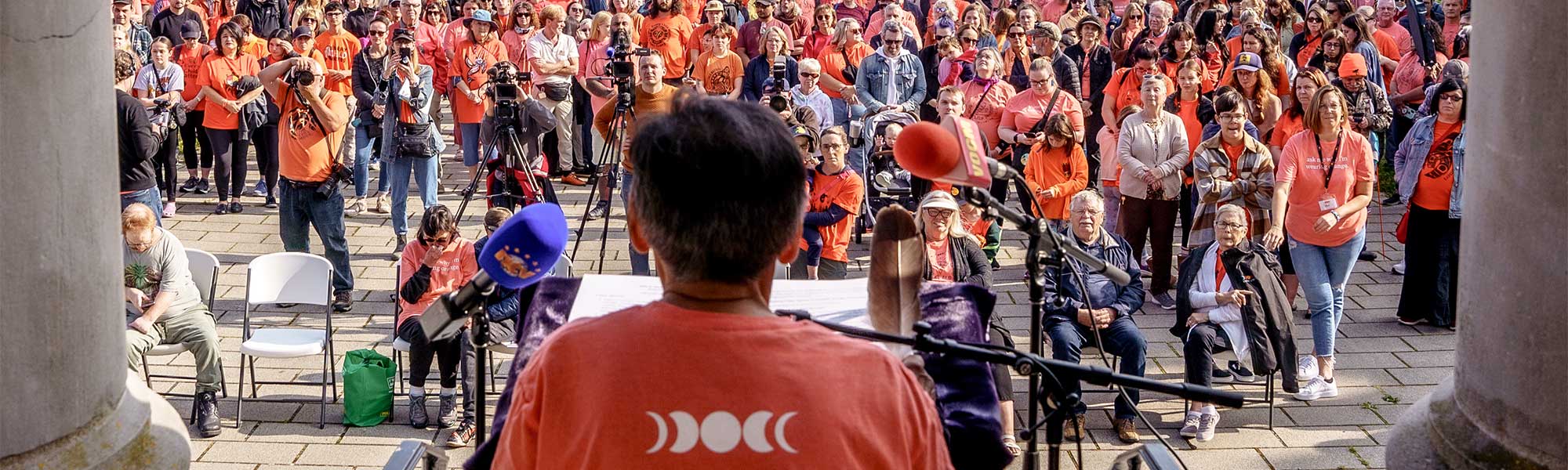
First Light is calling on everyone to wear orange on September 30th to show solidarity with those who survived residential schools across Canada and to remember those who never made it home.
We also encourage you to wear your orange shirt any day of the year to show your support for decolonizing spaces, educating others, and recognizing Indigenous rights.
Ways to Support
Wear Orange
When you purchase and wear an orange t-shirt, you’re making a commitment to learning and raising awareness.
We encourage everyone who wears it to take a proactive role in educating themselves about the history and significance of Orange Shirt Day.

Where your support goes
Proceeds from Orange Shirt sales will go directly to the creation of the Residential School Memorial Garden. This space will be a place of learning and reflection—where people can come to understand the history of the residential school system, honour the strength and resilience of Survivors, and celebrate the living Indigenous cultures of our province.
The garden is being carefully designed in consultation with Elders and Residential School Survivors, ensuring it reflects their voices, experiences, and teachings.
Ordering online? Place your order by August 31. Our online store closes that day and won’t reopen until October, so this is your window to order.
Ordering in bulk for your team or group? Same deadline: get your order in before August 31 to make sure everyone’s covered.
Prefer to shop in person? Our team will have a limited number of shirts available at our in-person booth throughout September. Sizes aren’t guaranteed at the booth, so if you need something specific, ordering online is the safer bet. Booth dates, times, and location coming soon!
Picking up an online order? Pickup for online orders will be at 70 Brookfield Road.
Why the temporary closure? Our team isn’t able to pull online orders from the in-person booth inventory, so we close ordering while the booth is running to keep things accurate.
Local pick-up in St. John’s only
Attend the Rally for Reconciliation
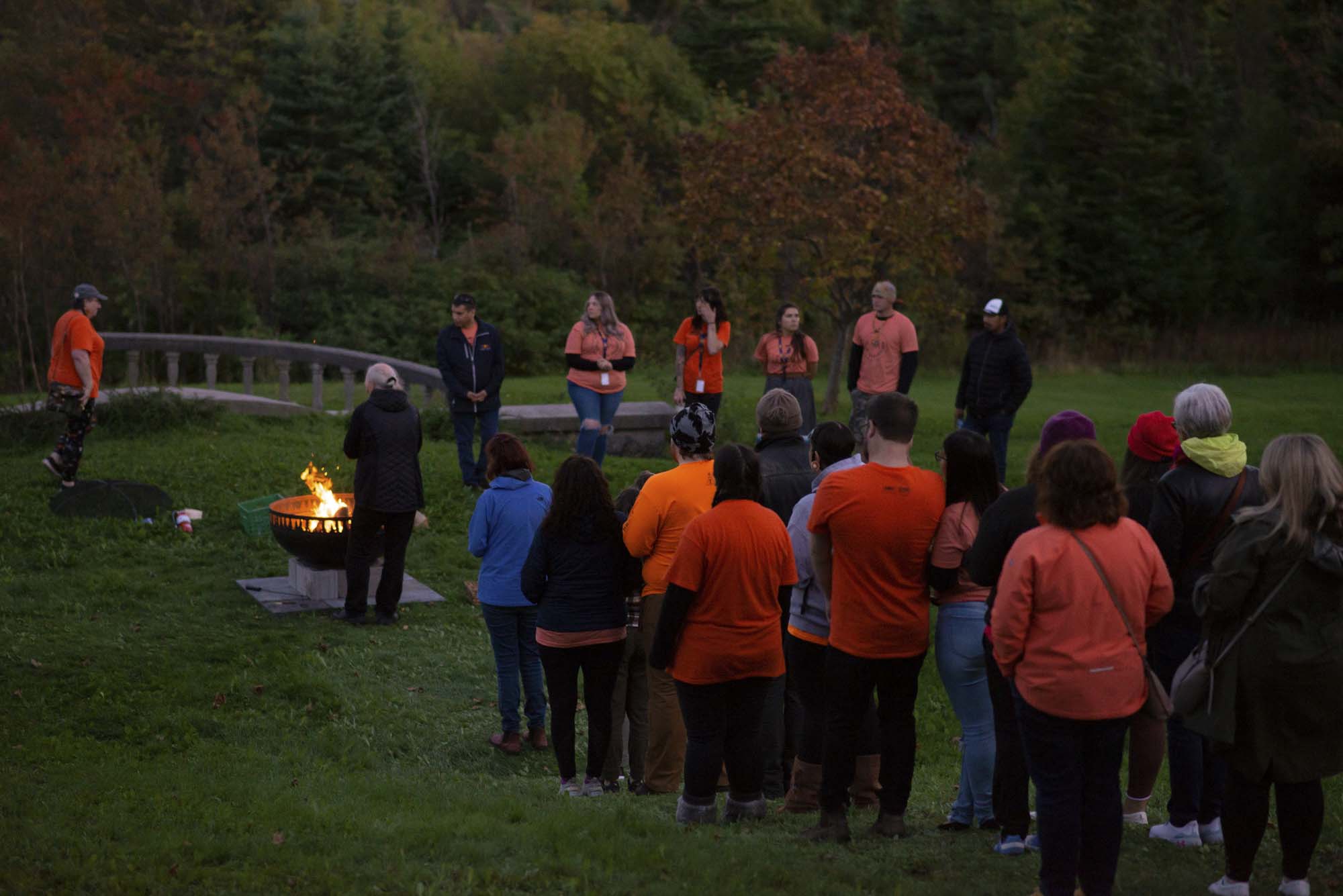
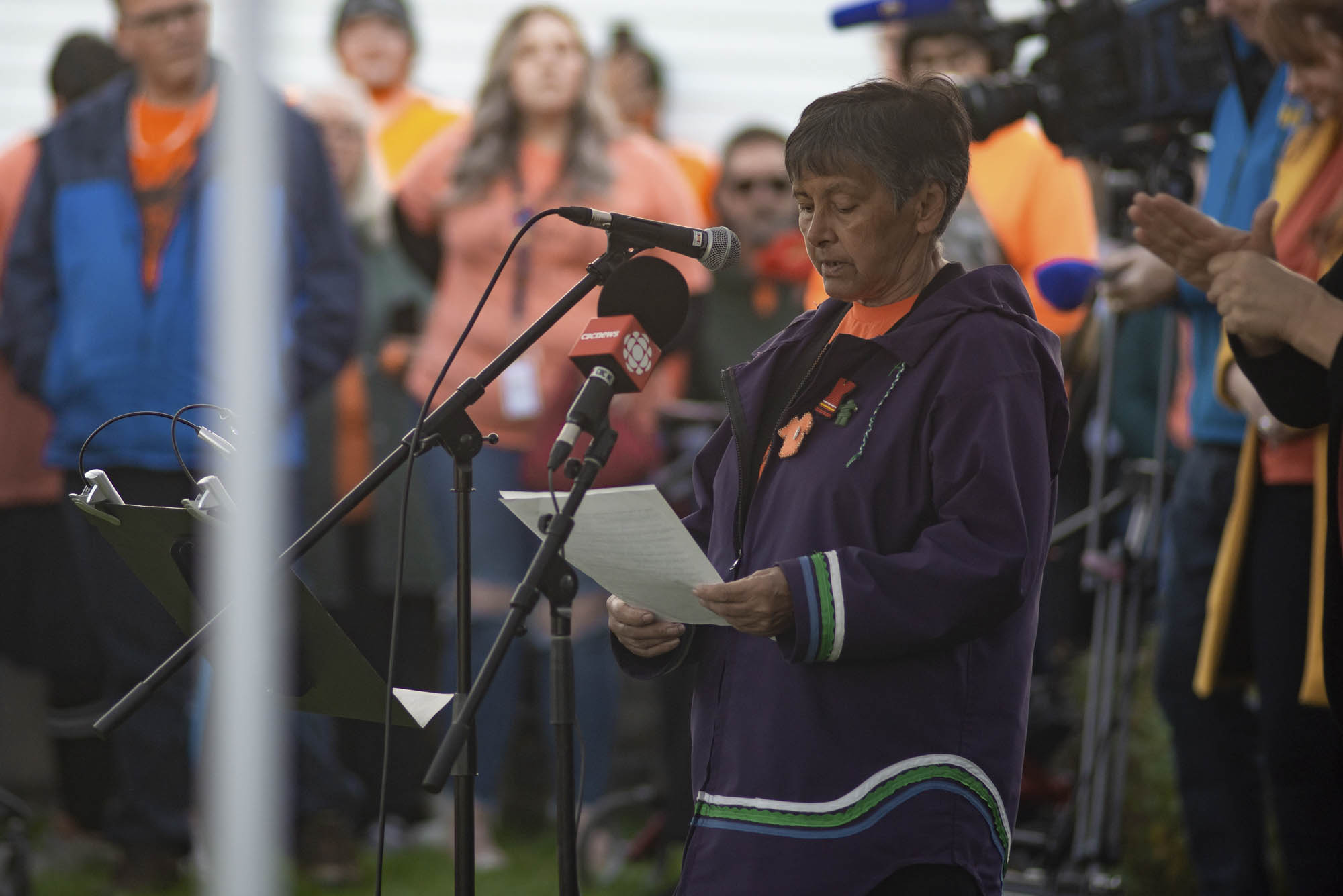
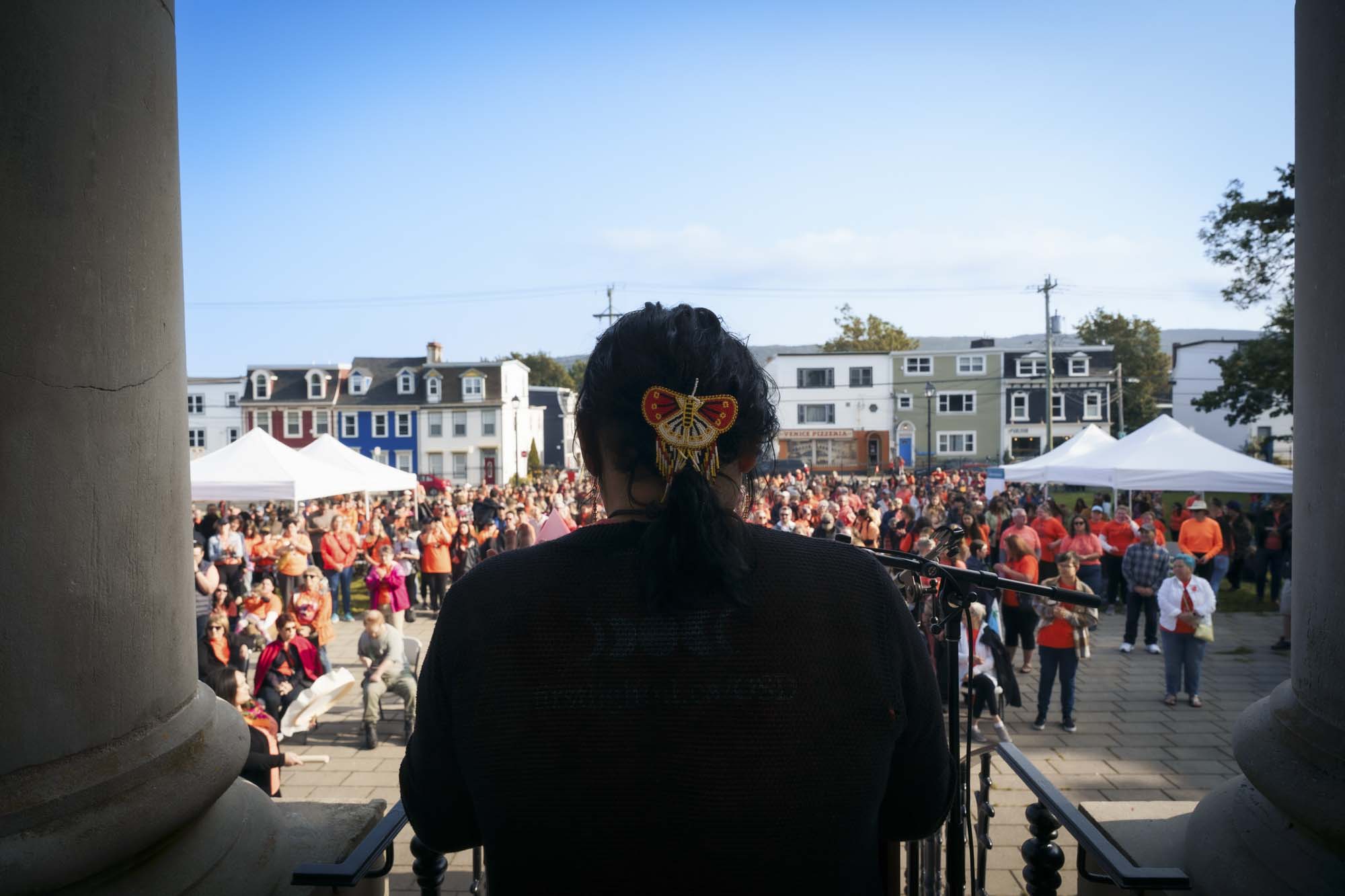
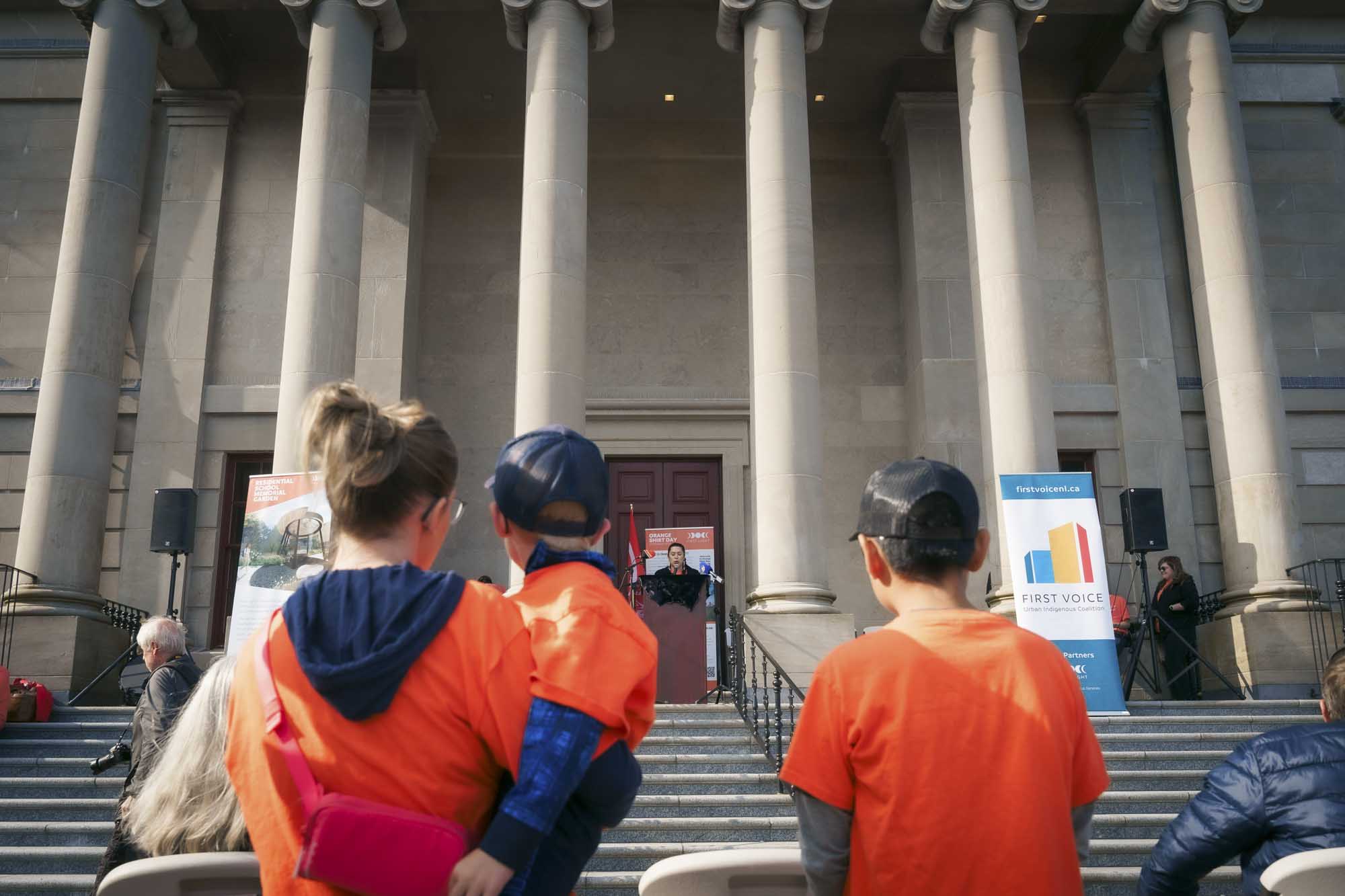
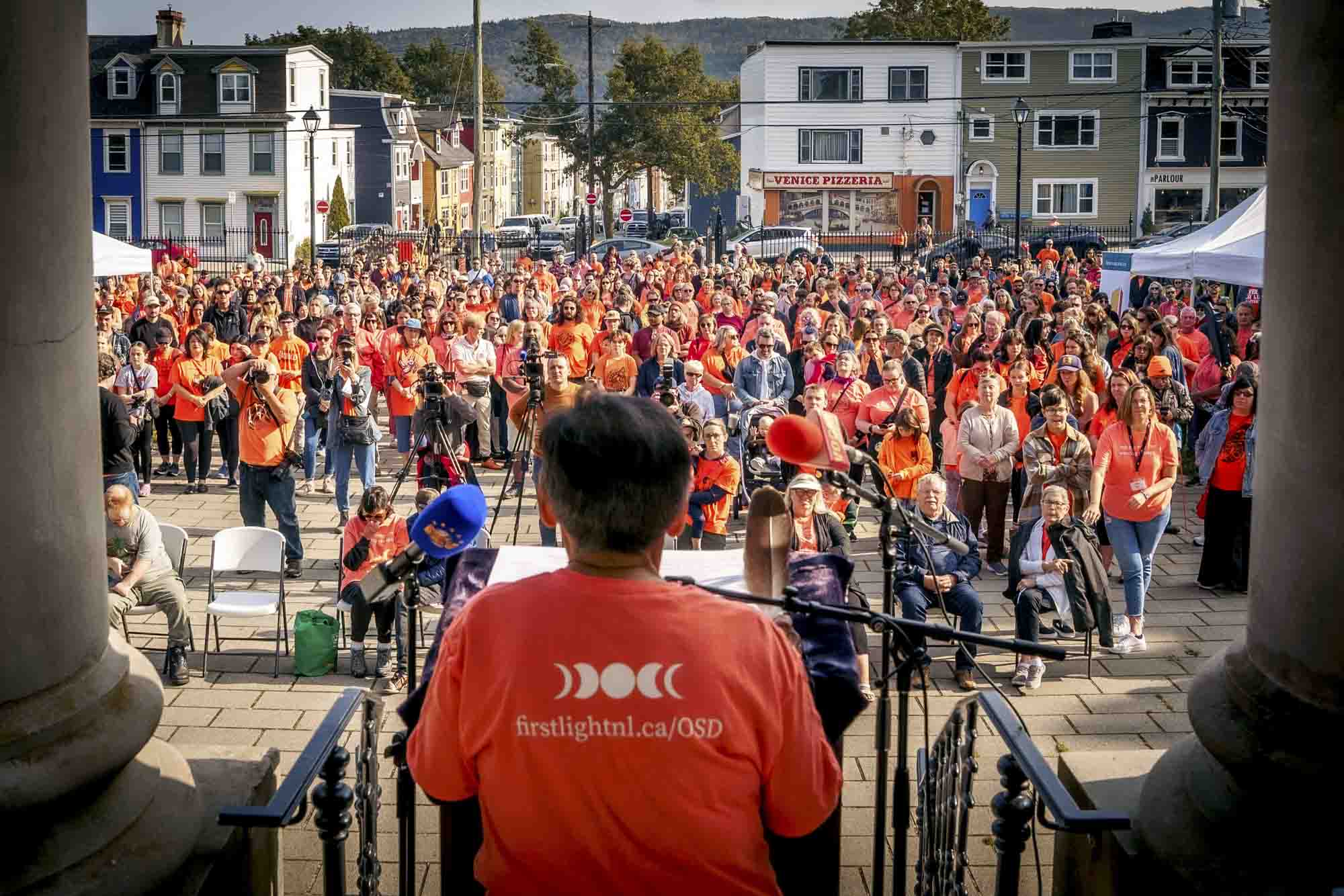
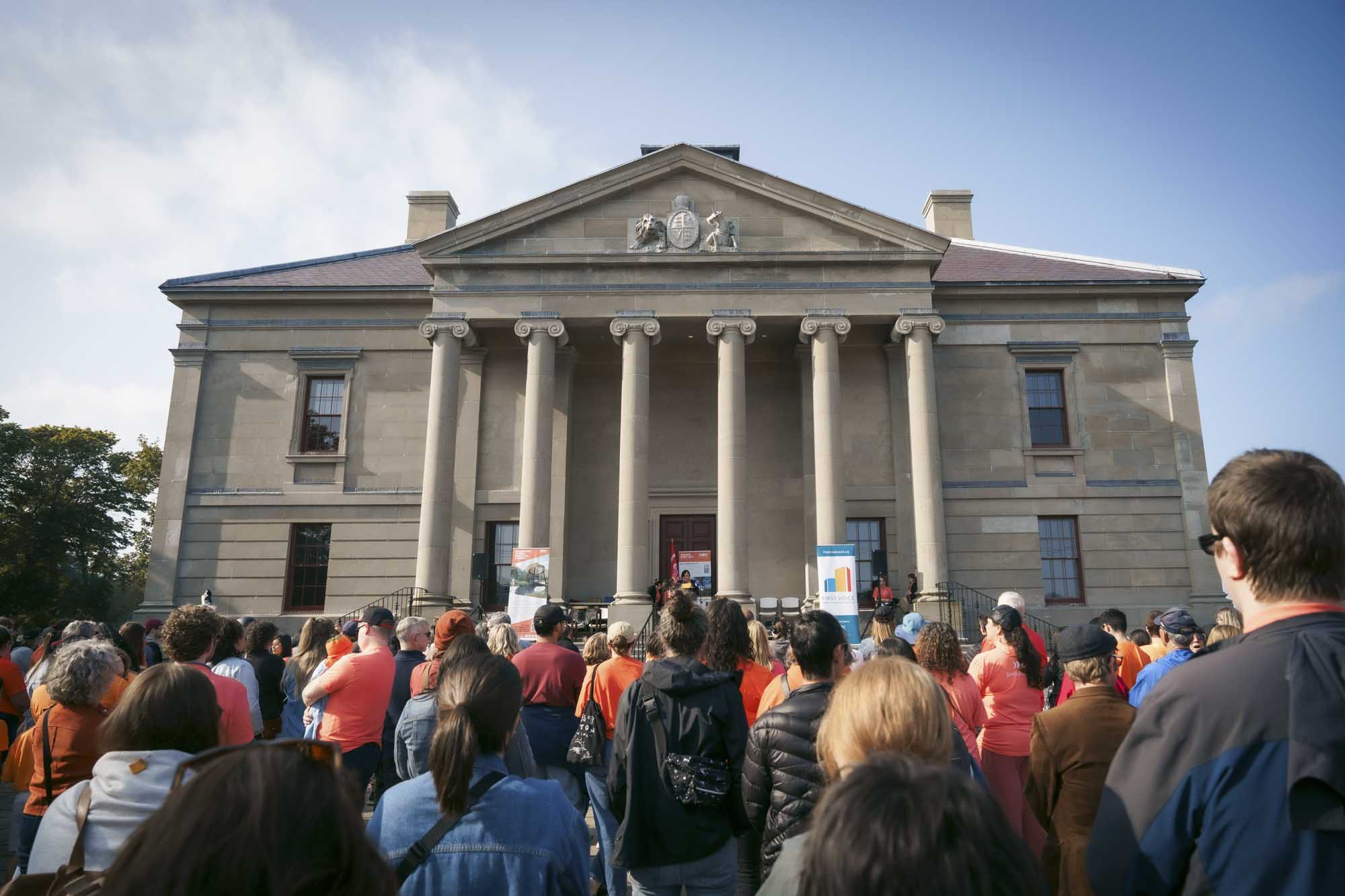
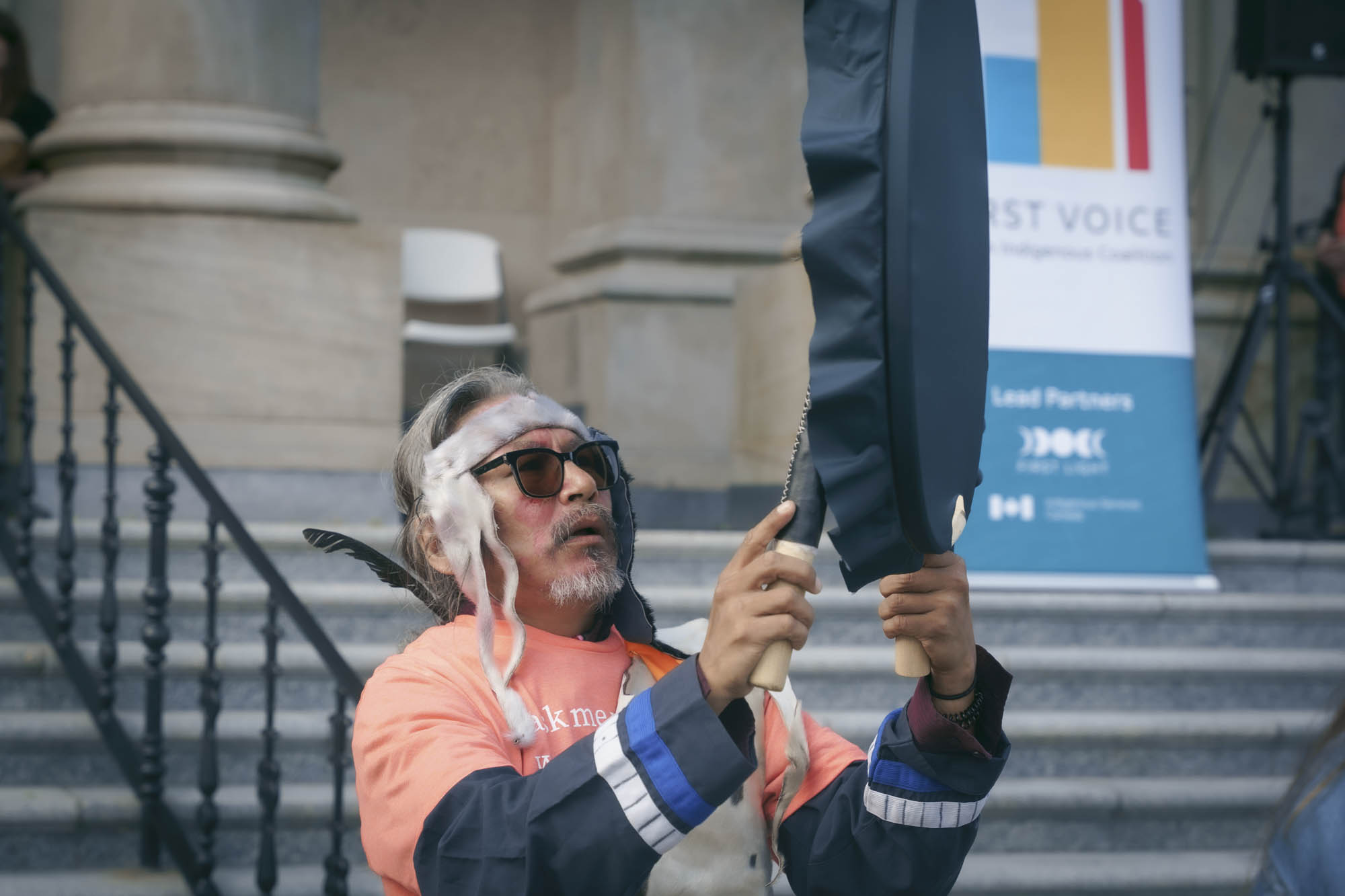
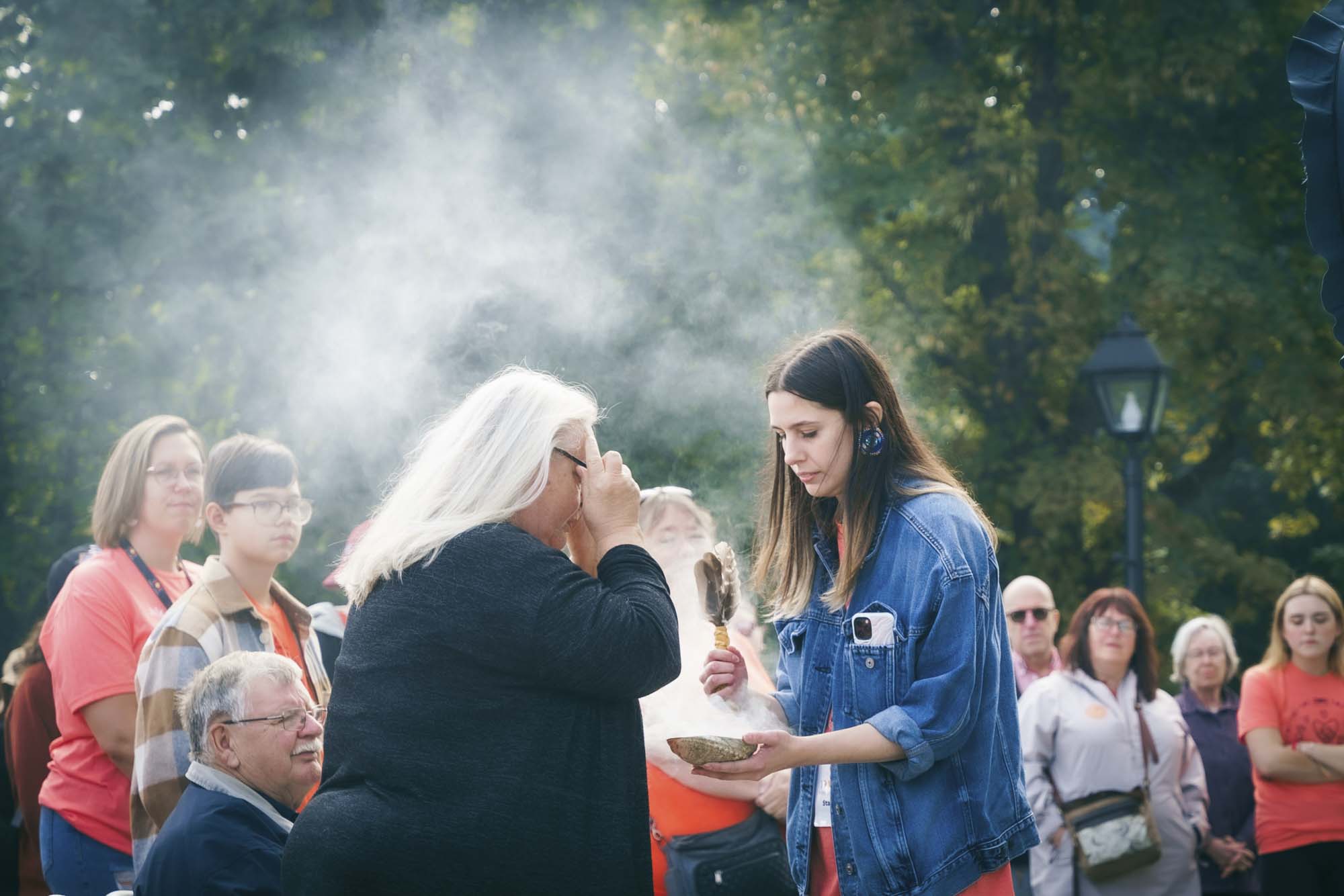
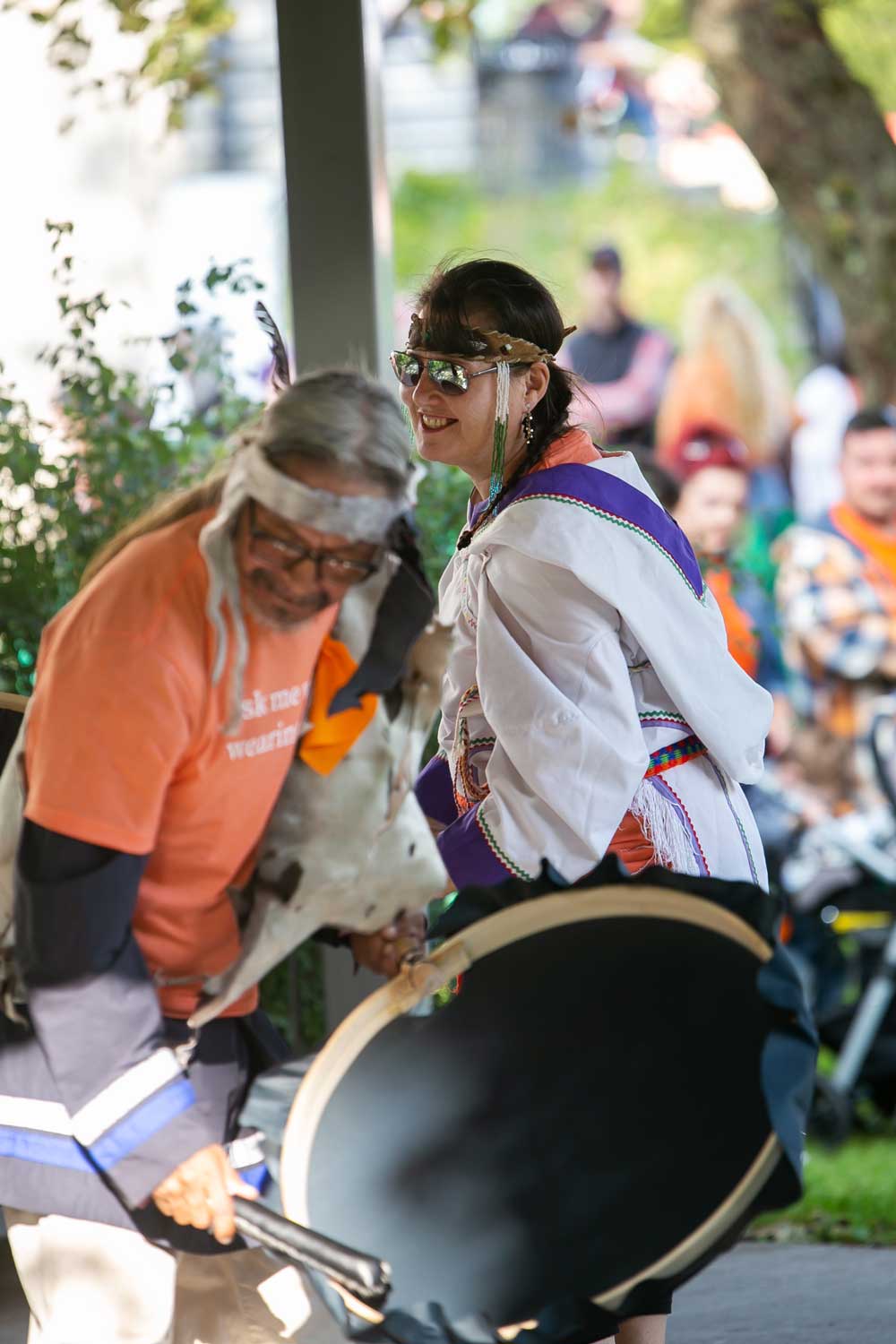
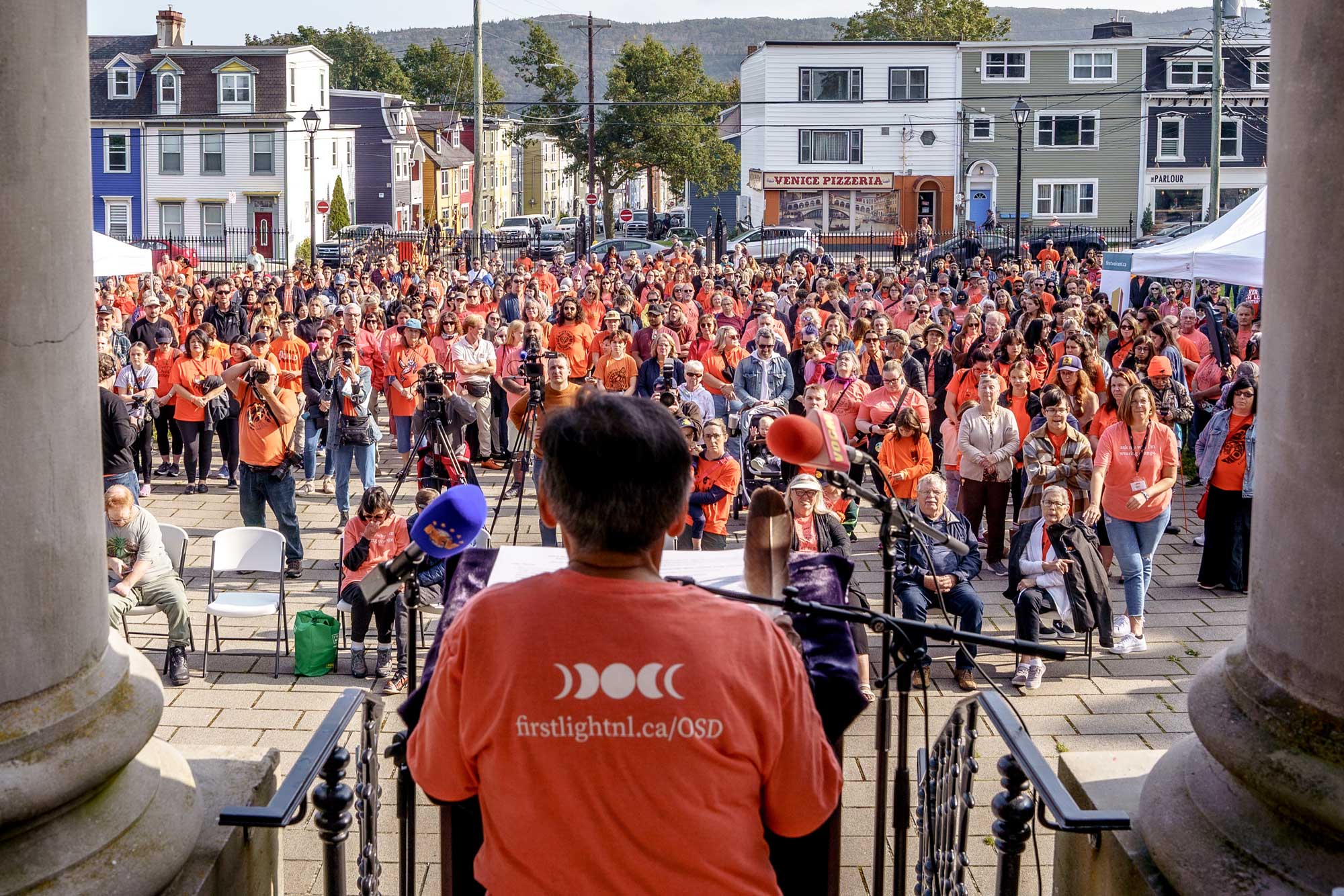
Each year on September 30th, First Light hosts a Rally for Reconciliation in recognition of Orange Shirt Day and the National Day for Truth and Reconciliation.
This day serves as a powerful reminder of the truth behind Residential Schools and the ongoing impact on Survivors and their families. While wearing orange is a meaningful gesture, true reconciliation requires action and allyship.
Join us as we listen, learn, and stand together for change.
Not sure where to start?
Explore the available resources below to deepen your understanding of Orange Shirt Day and its significance.
Promote Systemic Change
Orange Shirt Day is an opportunity to promote positive systemic change in St. John’s and across Newfoundland and Labrador. We encourage everyone to learn about the First Voice 42 Calls for Change and to join our work to advance truth and reconciliation right here at home.
All profits from our orange shirt sales go towards the development and creation of our Residential School Memorial Garden, led by Elders & residential school survivors.
Can’t attend in person? You can still participate by sharing #whyiwearorange and by visiting whyiwearorange.ca to find other ways of showing support!
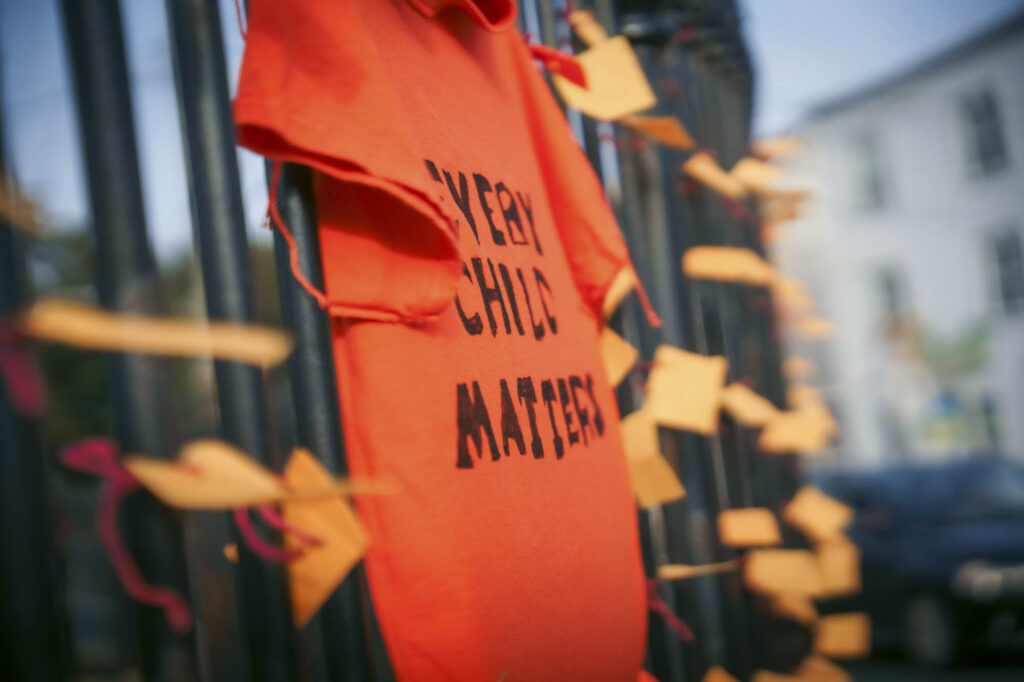
The name originates from the story of Phyllis Webstad, who had her new orange shirt taken away on her first day at a residential school. It symbolizes the loss of culture, identity, and childhood.
No, Orange Shirt Day is for everyone. It’s an opportunity for all Canadians to learn about the history of residential schools and show support for reconciliation.
Wondering what you can do this year to recognize Orange Shirt Day?
Wear Orange: The simplest way to participate is by wearing an orange shirt on September 30th. It’s a visible sign of your support for reconciliation and remembrance.
Educate Yourself: Take the time to learn about the history and significance of Orange Shirt Day, residential schools, and Indigenous cultures. Reading books, watching documentaries, and attending educational events can help.
Share Knowledge: Encourage others to learn about Orange Shirt Day and its importance. Share articles, books, or personal stories to raise awareness among your friends and family.
Attend Events: Participate in local Orange Shirt Day events, workshops, or ceremonies.
Support Indigenous Initiatives: Seek out and support Indigenous-led initiatives, organizations, and businesses. Show solidarity by actively engaging with and uplifting Indigenous voices.
Advocate for Change: Advocate for changes in education, policy, and government actions that promote reconciliation and address the ongoing inequalities faced by Indigenous communities. We suggest visiting First Voice and reading the Calls for Change.
Engage in Dialogue: Engage in open and respectful conversations with family and friends about the legacy of residential schools. Encourage dialogue, empathy, and understanding.
A great place to start your learning journey is our Indigenous Cultural Diversity Training – we offer sessions for groups as well as public sessions that anyone is welcome to sign up for.
We also have two lists of books specifically on residential schools, that are a great place to start to educate yourself & others – one is targeted toward young readers and one for adults.
Continuous Learning: Keep educating yourself about Indigenous history, issues, and perspectives beyond Orange Shirt Day. It’s an ongoing process.
Support Indigenous Businesses: Purchase products and services from Indigenous-owned businesses to contribute to economic empowerment.
Amplify Indigenous Voices: Share Indigenous art, literature, and voices through your social media and networks to promote cultural appreciation.
Volunteer: Offer your time and skills to Indigenous organizations and initiatives that promote reconciliation and community well-being.
Advocate for Change: Advocate for policies and practices that advance reconciliation and Indigenous rights at local, regional, and national levels.
Challenge Stereotypes: Challenge stereotypes and misconceptions about Indigenous peoples whenever you encounter them.
Be an Ally: Be an ally by actively supporting and standing with Indigenous communities in their struggles for justice, equity, and self-determination.
Remember, reconciliation is an ongoing journey, and every effort, no matter how small, contributes to healing and understanding between Indigenous and non-Indigenous peoples.