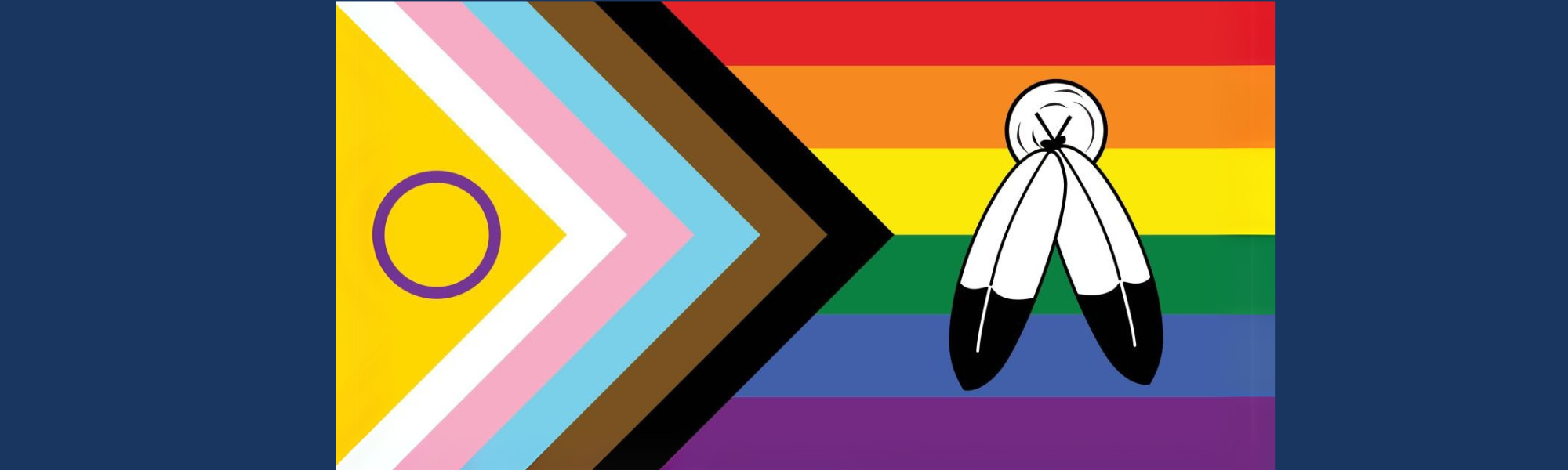
Pride, Community, and Honouring Two-Spirit Voices
What does Pride mean? The answer depends on who you ask.
For some, Pride is a joyful celebration. For others, it is a chance to find community, to feel seen, or simply to exist openly without fear. This year’s St. John’s Pride Festival theme, “This Party is a Protest,” beautifully captures both sides of Pride. It is both a celebration and a movement, one that honours the resilience, diversity, and contributions of lesbian, gay, bisexual, transgender, queer, Two-Spirit, intersex, asexual, and other sexually and gender-diverse (2SLGBTQIA+) people while recognizing the ongoing work of creating communities where everyone can live safely and authentically.
Pride began as a response to discrimination and injustice, led by 2SLGBTQIA+ people demanding safety, dignity, and equal rights. For generations, many people were told that who they were or who they loved was something to hide. While much has changed, that history reminds us that the freedoms many experience today were hard won and continue to require protection.
The word “pride” itself was chosen as the opposite of “shame”. Pride rejects that shame. It is the belief that every person deserves to live openly, with dignity, and to be accepted exactly as they are. At First Light, Pride is also an opportunity to celebrate something deeply connected to Indigenous ways of knowing: the importance of community, belonging, and honouring every person’s place within it.
“Why do we still need Pride?”
It’s an understandable question, especially for those who have grown up seeing rainbow flags in storefront windows, Pride parades filling city streets, and increasing visibility for 2SLGBTQIA+ communities. From the outside, it can seem as though the work is finished. But Pride has never simply been about a parade.
While Canada has made significant progress in advancing the rights of 2SLGBTQIA+ people, Pride remains important because acceptance is not experienced equally by everyone. Many people continue to face bullying, discrimination, harassment, or barriers simply because of their sexual orientation or gender identity. For transgender, non-binary, and Two-Spirit people in particular, those challenges can be even greater.
Pride reminds us that acceptance is only the beginning. True inclusion means creating communities where people genuinely belong. Representation is a powerful part of that. When people see themselves reflected around them, they are reminded they are not alone. Young people can imagine a future for themselves, while adults can find connection with others who share similar experiences. Sometimes, simply knowing there are others like you can change the course of a life.
What does Two-Spirit or 2S mean?
For Indigenous communities, Pride also provides an opportunity to recognize and celebrate 2S or Two-Spirit people. The “2S” at the beginning of 2SLGBTQIA+ stands for Two-Spirit, a contemporary Indigenous term adopted in 1990 by Indigenous leaders to replace outdated and offensive language that had been imposed by outsiders. While it is a shared term used by many Indigenous people today, it is not a universal identity. Every Nation has its own languages, teachings, and understandings of gender and sexuality.
For many who identify as Two-Spirit, the identity reflects the interconnectedness of culture, spirituality, family, community, gender, and identity itself. It is often understood as a holistic Indigenous identity rather than separate categories of sexuality or gender.
Long before colonization, many Indigenous Nations recognized and respected gender diversity. Although teachings varied from Nation to Nation, people who lived outside Western ideas of male and female often held respected roles within their communities. They might have been healers, caregivers, artists, mediators, knowledge keepers, or ceremonial leaders. Their unique gifts were recognized as valuable contributions to community life.
Today, many Two-Spirit people describe reclaiming this identity as part of reclaiming culture, history, and ways of knowing. It is both deeply personal and deeply connected to the community.
Why Pride Matters
One of our colleagues recently shared what Pride means to her as an Indigenous queer person from rural Labrador. Growing up, there was little visible representation of people like her, and few opportunities to connect with others who shared her lived experience. She spoke about how meaningful it was to finally find that sense of kinship, something she hadn’t realized she had been missing until she experienced it. Finding community helped her feel seen in a way she never had before. Stories like hers remind us why Pride continues to matter.
It is about celebrating authenticity. It is about making space for people to show up as their whole selves. It is about honouring those who came before us while helping ensure that future generations grow up knowing there is a place where they belong.
At First Light, we are proud to celebrate Pride because community is at the heart of everything we do. We believe everyone deserves to feel welcomed, respected, and connected. As we celebrate this Pride season, we honour the diversity that strengthens our communities, lift up Two-Spirit voices, and reaffirm our commitment to creating spaces where every person knows they belong exactly as they are.
Check out this year’s pride events!
More News